
🏰 The Origins of Viterbo: Between History, Legends, and Speaking Stones
- Giano di Vico

- Jun 23, 2025
- 2 min read
Viterbo was not born in a day.It emerged slowly—like a story carved in stone—between ancient myths, thermal springs, and medieval wars.To truly understand it, one must start from its roots.
🗿 From the First Settlements to Etruscan Legends
The first traces of human presence in the territory of Viterbo date back to the Neolithic and Copper Ages,with evidence found in sites such as the Rinaldone tombs and the area around Ferento.
Later, during the Etruscan era, the area saw small-scale settlements.The Duomo hill, for example, hosted an Etruscan outpost, probably identifiable with Surina or Surna,connected to the Lucumony of Tarquinia.
In the 15th century, Dominican friar Giovanni Nanni, known as Annio of Viterbo,formulated imaginative theories about the city’s origins.He claimed Viterbo was founded by Corinthus, son of Japheth, son of Noah,and that it was once an Etruscan tetrapolis made up of Fanum, Arbanum, Vetulonia, and Longula.
🛡️ Castrum Viterbii: The Birth of the Fortified City
The first historical records of Viterbo appear in the 8th century,when it was referred to as Castrum Viterbii.
In 773, Lombard King Desiderius fortified the site in preparation for an invasion of Rome.Later, in 852, a papal document officially recognized Castrum Viterbii as part of the Patrimony of Saint Peter.
🏛️ Rise in the Middle Ages: From Free Commune to City of Popes
During the 11th century, Viterbo developed into a free commune, with the first consuls elected in 1099.In the 12th century, the city consolidated its power,destroying the nearby rival Ferento in 1172 and expanding its territory.
In 1192, Pope Celestine III elevated Viterbo to the status of a bishopric,marking another step in its political and religious rise.
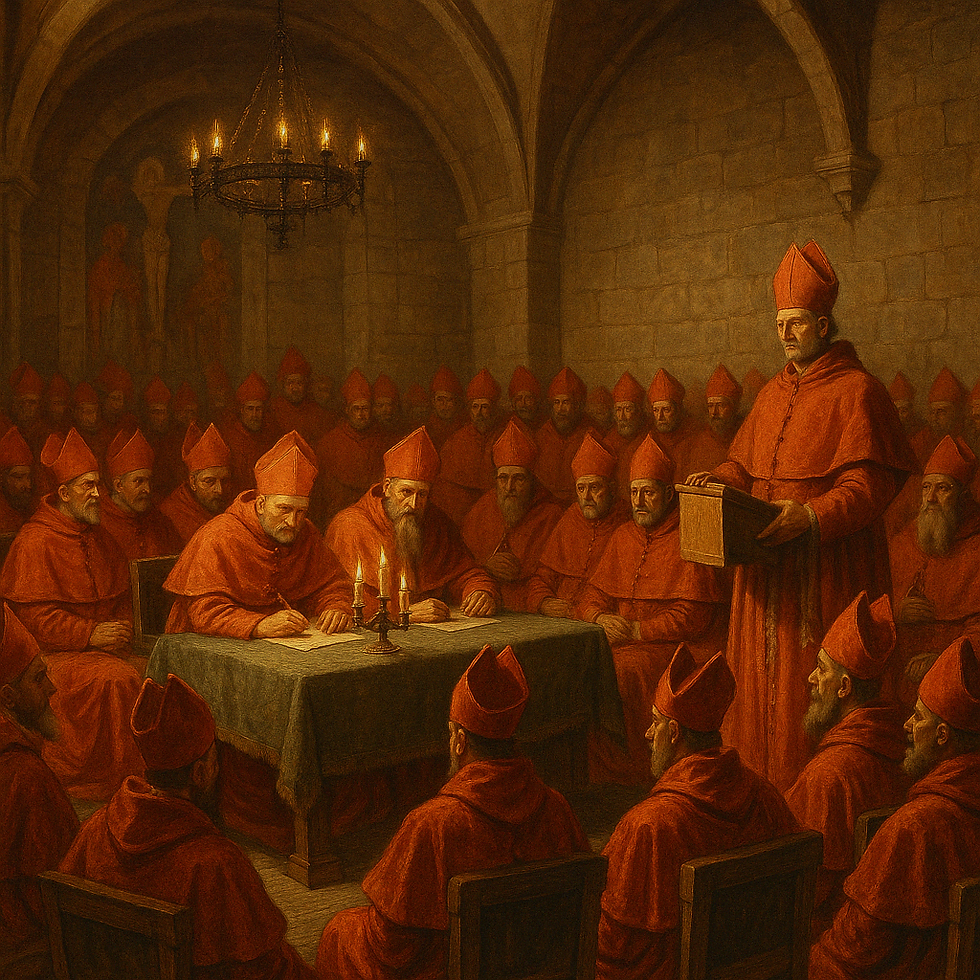
By the 13th century, Viterbo had become one of the most important cities in central Italy,hosting numerous popes and becoming the site of five papal conclaves between 1261 and 1281.
The most famous conclave, held between 1268 and 1271,led to the election of Pope Gregory X and the formal creation of the modern conclave system still used today.
🌿 A City with Deep Roots
Viterbo is a city whose roots reach deep into a past rich with history and legend.
From prehistoric and Etruscan origins, through the Roman age and the Middle Ages,Viterbo has preserved and embraced its heritage—offering visitors a fascinating journey through the centuries.

Comments